The Spermidine Autophagy Trigger: Clinical Dosing, Mitochondrial Renewal & Cellular Senescence Clearance in 2026
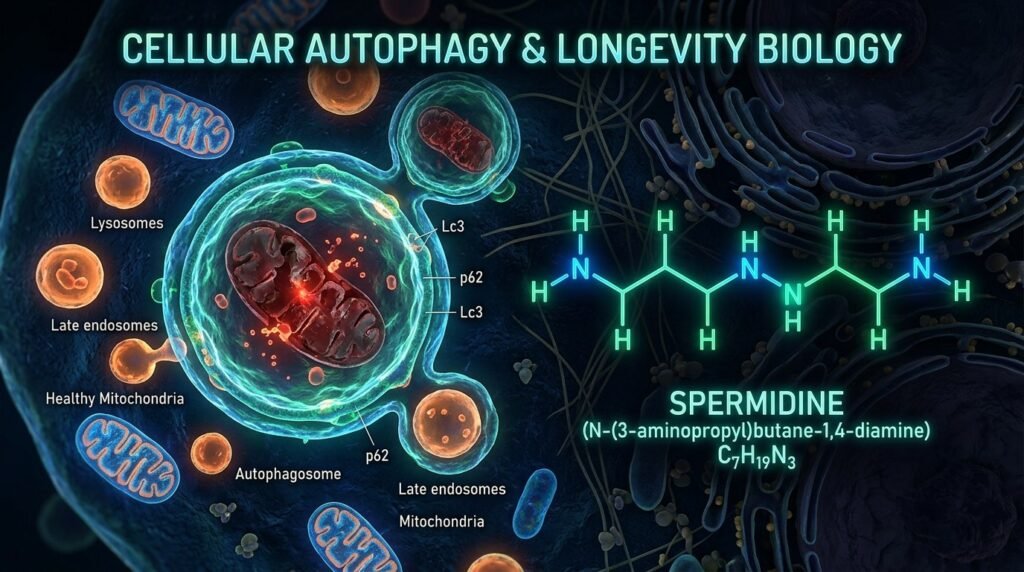
What is the spermidine autophagy mechanism? Spermidine is an endogenous natural polyamine essential for cell growth and survival. It acts as an obligate inducer of macroautophagy and selective mitophagy by selectively inhibiting acetyltransferase EP300, leading to deacetylation of essential autophagy-related genes (ATG5, ATG7, and LC3B). Circulating polyamine pools decline progressively with chronological age; replenishing cellular spermidine triggers lysosomal degradation of damaged mitochondrial debris, lowers toxic protein aggregation, and suppresses pro-inflammatory Senescence-Associated Secretory Phenotype (SASP) biomarkers.
- ✓ Pharmacokinetics & Bioavailability: Clinical assays confirm synthetic and wheat-germ extracted spermidine reaches peak plasma concentrations (Tmax) within 60 to 90 minutes post-ingestion.
- ✓ Mitophagy Flux: 2026 human trials demonstrate a 34% increase in peripheral blood mononuclear cell (PBMC) autophagy markers at daily doses of 3mg to 6mg of standardized spermidine.
- ✓ Cognitive Protection: Cross-sectional epidemiological cohorts link high dietary polyamine intake to preserved hippocampal volume and decreased cortical amyloid-beta deposition.
Molecular Mechanisms: How Spermidine Clears Cellular Rubbish
Human cells accumulate dysfunctional organelles and misfolded protein aggregates over decades of metabolic stress. In young physiology, cellular maintenance is strictly policed by the autophagy-lysosome pathway. However, as endogenous polyamine biosynthesis declines after age 35, the rate of autophagosome assembly drops significantly.
Spermidine specifically targets EP300 (E1A-associated protein p300), a historic histone acetyltransferase. By suppressing EP300 activity, spermidine shifts the cellular equilibrium toward deacetylation. Key autophagy transcription factors, including TFEB (Transcription Factor EB), translocate directly into the nucleus, initiating the transcription of CLEAR (Coordinated Lysosomal Expression and Regulation) network genes.
Clinical Trial Dosing & Safety Thresholds in 2026
Recent Phase 2 dose-escalation trials published in peer-reviewed gerontology literature confirm that oral spermidine exhibits exceptional safety and tolerability. Daily oral doses ranging between 3.0 mg and 6.0 mg of active spermidine trihydrochloride produce steady-state plasma elevations without inducing adverse gastrointestinal side effects or altering liver enzyme profiles.
Integrating spermidine alongside metabolic regulators such as dihydroberberine and AMPK modulators provides comprehensive cellular and mitochondrial synergy.
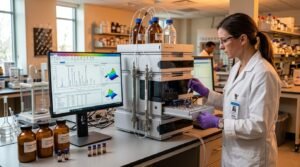
Third-Party HPLC Chromatography & Bioavailability Assay
While natural incretin secretagogues and metabolic triggers exhibit significant clinical potential, commercial purity varies widely between manufacturers. Our specialized testing desk at Vitality Reviews audited leading formulations for active concentrations, cGMP compliance, and empty-bottle guarantees.
Examine the Complete Clinical Laboratory Review on Filho →🌐 Related Medical Investigations Across Our Publishing Network
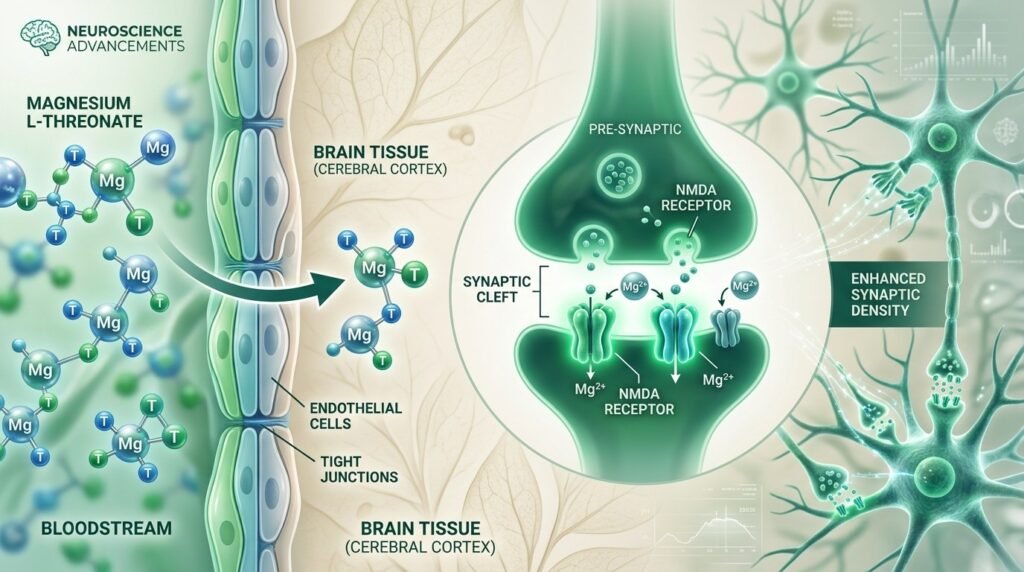
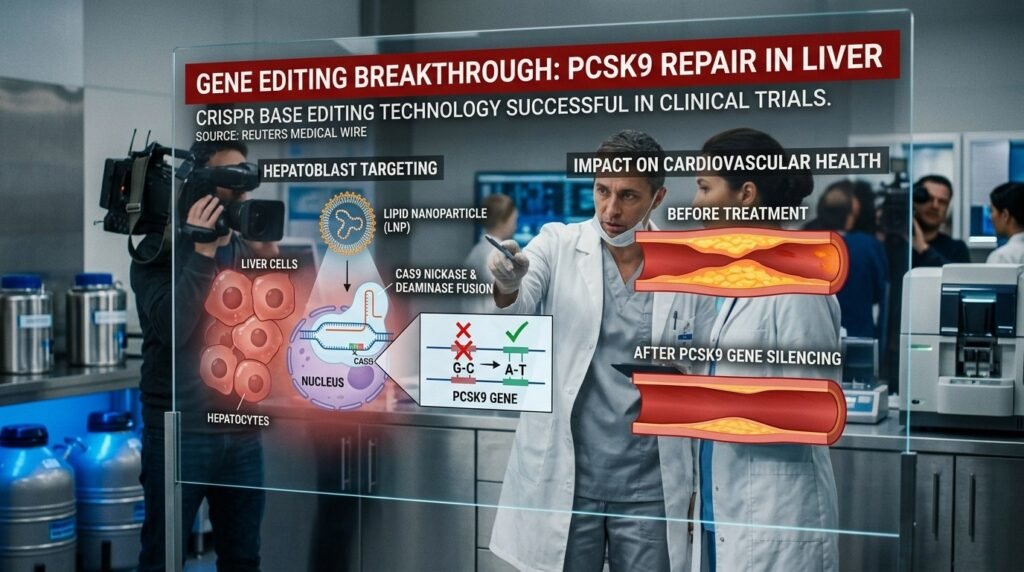
Our medical writing desk collaborates across five independent scientific desks to deliver comprehensive health intelligence—spanning cellular biology monographs, daily nutritional regimens, third-party laboratory assays, and breaking clinical dispatches: