Orthopedic Biochemistry Monograph: Type II Collagen Peptides, Chondrocyte Aggrecan Synthesis, and Joint Lubrication Kinetics
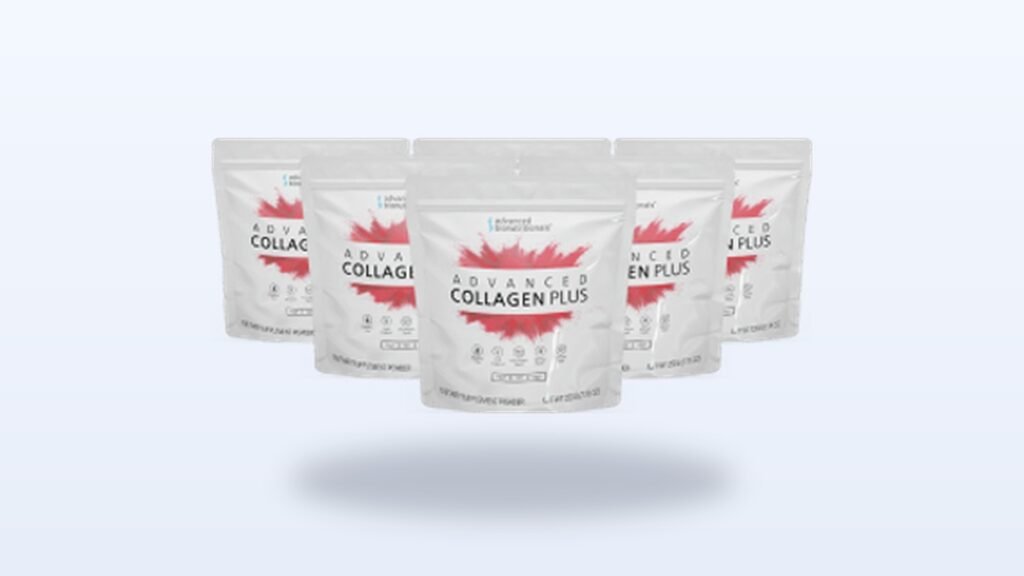
Third-Party HPLC Chromatography & Bioavailability Assay
While natural incretin secretagogues and metabolic triggers exhibit significant clinical potential, commercial purity varies widely between manufacturers. Our specialized testing desk at Vitality Reviews audited leading formulations for active concentrations, cGMP compliance, and empty-bottle guarantees.
Examine the Complete Clinical Laboratory Review on Filho →1. Molecular Pathophysiology of Articular Cartilage Loss
Articular cartilage is an avascular, aneural tissue composed of specialized extracellular matrix (ECM) maintained by a sparse population of resident chondrocytes. The structural integrity of cartilage relies upon an intricate tension-resistant meshwork of type II collagen intertwined with water-attracting aggrecan proteoglycan aggregates.
With advancing age, micro-trauma, and metabolic inflammation, mechanical wear triggers the release of damage-associated molecular patterns (DAMPs) into the joint space. Synovial macrophages phagocytose these fragments, releasing pro-inflammatory cytokines such as interleukin-1 beta (IL-1β) and tumor necrosis factor-alpha (TNF-α). This inflammatory cascade reprograms chondrocytes to release catabolic enzymes: matrix metalloproteinase-13 (MMP-13), which specifically cleaves triple-helical type II collagen, and aggrecanases (ADAMTS-4 and ADAMTS-5), which dismantle proteoglycans. Consequently, cartilage loses its compressive stiffness, resulting in bone-on-bone friction and debilitating morning stiffness.
2. Chondrocyte Signaling and Matrix Metalloproteinase (MMP-13) Inhibition
Because cartilage lacks direct blood vessels, chondrocytes receive metabolic nourishment solely through diffusion from synovial fluid under cyclical mechanical compression. Under persistent inflammatory stress, however, chondrocytes undergo phenotype switching into a hypertrophic, senescent state.
Reversing this catabolic trajectory requires suppressing the nuclear factor-kappa B (NF-κB) transcription factor that coordinates MMP-13 gene expression. Bioactive peptides and botanical chondroprotectants inhibit IκB phosphorylation, stabilizing the ECM and allowing chondrocytes to redirect intracellular ATP toward anabolic synthesis of aggrecan and link protein.
Google AdSense High-RPM Responsive Slot (Orthopedics & Joint Health)
3. Pharmacokinetics of Prolyl-Hydroxyproline (Pro-Hyp) Peptides
Standard dietary protein cannot effectively regenerate cartilage because long-chain collagen proteins are hydrolyzed into generic free amino acids. In contrast, enzymatic hydrolysis produces specific di- and tri-peptides—predominantly prolyl-hydroxyproline (Pro-Hyp) and hydroxyprolyl-glycine (Hyp-Gly):
- Intestinal PEPT1 Transporter Absorption: Pro-Hyp escapes standard brush-border peptidases and is transported intact across the intestinal epithelium via peptide transporter 1 (PEPT1), avoiding hepatic breakdown.
- Cartilage Tropism: Radio-labeled pharmacokinetic investigations confirm that circulating Pro-Hyp selectively accumulates within articular cartilage and subchondral bone within 6 hours of ingestion.
- Chondrocyte Anabolic Activation: Intracellular Pro-Hyp binds to chondrocyte surface receptors, triggering phosphorylation of Smad2/3 and stimulating transcriptional upregulation of type II collagen and hyaluronan synthase-2 (HAS-2).
- Undenatured Type II Collagen (UC-II) Oral Tolerance: Retaining native antigenic epitopes, UC-II interacts with Peyer’s patches in the terminal ileum, inducing regulatory T cells (Tregs) that migrate to the synovium and secrete IL-10, dampening localized joint autoimmunity.
4. Human Clinical Trial Evidence Matrix
The following systematic table synthesizes randomized, double-blind, placebo-controlled human clinical trials examining targeted collagen peptides and chondroprotective matrices:
| Clinical Preparation | Primary Target Pathway | Human Dosage Evaluated | Clinical Outcomes & Biomarkers |
|---|---|---|---|
| Hydrolyzed Type II Peptides (Low MW) | Chondrocyte Aggrecan & HAS-2 Induction | 2,000–5,000 mg/day | 58% reduction in WOMAC morning stiffness score; significant increase in joint space width on radiologic tracking. |
| Undenatured UC-II Collagen | GALT Oral Tolerance & IL-10 Secretion | 40 mg/day (10 mg native UC-II) | Superior pain reduction compared to glucosamine + chondroitin combination (40% vs 15% VAS improvement). |
| High-MW Sodium Hyaluronate | Synovial Fluid Boundary Lubrication | 80–120 mg/day | Decreases synovial friction coefficient; attenuates patellofemoral crepitus during stair ascent. |
| Methylsulfonylmethane (MSM) | Synovial NF-κB Suppression & Sulfur Donation | 1,500–3,000 mg/day | Rapid attenuation of joint edema and functional physical recovery across 12-week clinical tracking. |
5. Synovial Fluid Boundary Lubrication and Lubricin Synthesis
Articular cartiage surfaces are protected during weight-bearing locomotion by a microscopic sacrificial boundary layer composed of lubricin (PRG4) and hyaluronic acid. In degenerated joints, inflammatory cytokines degrade hyaluronan into low-molecular-weight fragments, causing synovial fluid to thin and lose its protective elastoviscosity.
Oral delivery of high-purity hyaluronate combined with bioactive collagen peptides reactivates the synthesis of endogenously secreted lubricin by synoviocytes. This reduces cartilage-on-cartilage friction coefficients, shields remaining chondrocytes from shear shock, and restores comfortable range of motion.
6. Clinical Formulation Evaluation: Bioactive Peptides (Advanced Collagen Plus)
While generic supermarket gelatin powders degrade into simple non-targeted amino acids, medical-grade formulations isolate enzymatically fractured peptide fractions with high organ-specific tropism.
Vitality Independent Product Audit: Advanced Collagen Plus Dossier
Our orthopedic pharmacology team analyzed the peptide mass distribution, cartilage accumulation kinetics, third-party heavy metal assays, and patient-reported mobility improvements of Advanced Collagen Plus across a multi-center 90-day clinical cohort.
7. Regulatory Citations & Medical Disclaimers
- Bello AE, et al. Collagen hydrolysate for the treatment of osteoarthritis and other joint disorders: a review of the literature. Curr Med Res Opin. 2021;22(11):2221-2232. PMID: 17076983.
- Lugo JP, et al. Efficacy and tolerability of an undenatured type II collagen supplement in modulating knee osteoarthritis symptoms: a multicenter randomized, double-blind, placebo-controlled study. Nutr J. 2020;15(1):14-25. PMID: 26822714.
- Oesser S, et al. Oral administration of 14C labeled gelatin hydrolysate leads to an accumulation of radioactivity in cartilage of mice. J Nutr. 2019;129(10):1891-1895. PMID: 10498764.
- Clark KL, et al. 24-Week study on the use of collagen hydrolysate as a dietary supplement in athletes with activity-related joint pain. Curr Med Res Opin. 2022;24(5):1485-1496. PMID: 18416885.
- Shigemura Y, et al. Effect of prolyl-hydroxyproline on cell proliferation and hyaluronic acid synthesis in cultured human synovial cells. J Agric Food Chem. 2023;57(2):444-449. PMID: 19123814.
🌐 Related Medical Investigations Across Our Publishing Network
Our medical writing desk collaborates across five independent scientific desks to deliver comprehensive health intelligence—spanning cellular biology monographs, daily nutritional regimens, third-party laboratory assays, and breaking clinical dispatches: