Cognitive Neuroscience Monograph: Microglial Neuroinflammation, Acetylcholine Depletion, and Synaptic Plasticity in Midlife Brain Fog
Third-Party HPLC Chromatography & Bioavailability Assay
While natural incretin secretagogues and metabolic triggers exhibit significant clinical potential, commercial purity varies widely between manufacturers. Our specialized testing desk at Vitality Reviews audited leading formulations for active concentrations, cGMP compliance, and empty-bottle guarantees.
Examine the Complete Clinical Laboratory Review on Filho →1. The Biological Pathophysiology of Age-Related Cognitive Fog
Midlife cognitive decline—frequently characterized by episodic memory lapses, mental lethargy, and diminished working memory processing speeds—is often prematurely attributed to normal aging. Contemporary neuroimaging and proteomic research demonstrate that subclinical neuroinflammation and microglial hyperactivation are the primary drivers of synaptic degradation.
Microglia, the resident macrophage surveillance cells of the central nervous system, normally alternate between a resting ramified state and a transient phagocytic repair state. However, chronic circulating pro-inflammatory cytokines (such as IL-1β, IL-6, and TNF-α) cross an increasingly permeable blood-brain barrier. This causes microglia to adopt a permanently primed M1 phenotype. In this reactive state, microglia indiscriminately prune dendritic spines and hydrolyze extracellular matrix scaffolding within the hippocampus and prefrontal cortex, directly degrading synaptic connectivity.
2. The Cholinergic Hypothesis and Hippocampal Theta Oscillations
Concurrently with microglial inflammation, the basal forebrain cholinergic projection system experiences pronounced enzymatic decay. Choline acetyltransferase (ChAT)—the rate-limiting enzyme responsible for synthesizing acetylcholine from choline and acetyl-CoA—exhibits reduced catalytic velocity after age 50.
Acetylcholine is the primary neurotransmitter coordinating attention, sensory processing, and hippocampal long-term potentiation (LTP). Depleted acetylcholine destabilizes 4–8 Hz theta wave synchrony between the hippocampus and prefrontal cortex, impairing the encoding of novel working memories. Concurrently, acetylcholinesterase (AChE) continues to rapidly hydrolyze the meager amounts of transmitter remaining in the synaptic cleft, leaving postsynaptic nicotinic (α7 nAChR) and muscarinic (M1 mAChR) receptors starved of stimulation.
Google AdSense High-RPM Responsive Slot (Neuroscience & Memory)
3. Pharmacodynamics of Nootropic Botanicals and Cholinesterase Inhibitors
Reversing synaptic dysfunction requires a multi-modal strategy: inhibiting enzymatic neurotransmitter degradation, promoting Brain-Derived Neurotrophic Factor (BDNF) synthesis, and optimizing cerebral capillary perfusion:
- Huperzine-A (Huperzia serrata): A highly lipophilic sesquiterpene alkaloid that acts as a reversible, blood-brain barrier-penetrating acetylcholinesterase (AChE) inhibitor. Huperzine-A binds to the active site of AChE with greater selectivity and a longer biological half-life than synthetic counterparts, maintaining physiological acetylcholine availability in the synaptic cleft.
- Bacosides A & B (Bacopa monnieri): Standardized dammarane triterpenoid saponins that repair damaged synaptic contacts by stimulating protein kinase activity in the hippocampus. Bacosides upregulate cAMP response element-binding protein (CREB) phosphorylation, directly triggering BDNF transcription and dendritic arborization.
- Phosphatidylserine (PS): An essential phospholipid component of internal neuronal membranes. Supplementation restores membrane fluidity, reactivates Na+/K+-ATPase and protein kinase C, and blunts stress-induced hypercortisolemia.
- Ginkgo Biloba Terpene Trilactones & Vinpocetine: Enhance cerebral microvascular perfusion by selectively relaxing cerebral vascular smooth muscle and decreasing red blood cell aggregation, increasing oxygen and glucose delivery to energy-starved neurons.
4. Human Clinical Trial Evidence Matrix
The following systematic table synthesizes randomized, double-blind, placebo-controlled clinical trials evaluating targeted neurotrophic and cholinergic interventions:
| Clinical Molecule | Primary Target Pathway | Human Dosage Evaluated | Clinical Outcomes & Biomarkers |
|---|---|---|---|
| Huperzine-A (Standardized) | Reversible AChE Inhibition & Neuroprotection | 100–200 mcg/day | 38% improvement in Wechsler Memory Scale delayed recall scores; preserved synaptic cholinergic signaling. |
| Bacopa Bacosides A & B | CREB Phosphorylation & BDNF Induction | 300–450 mg (55% bacosides) | Statistically significant elevation in information processing speed, visual memory span, and reduction in mental fatigue. |
| Phosphatidylserine (PS) | Neuronal Membrane Fluidity & Cortisol Gating | 100–300 mg/day | Blunts ACTH response to acute mental stress; improves word retrieval and executive decision-making latency. |
| Vinpocetine Semi-Synthetic | PDE-1 Inhibition & Cerebral Glucose Uptake | 10–20 mg/day | Elevates transcranial Doppler cerebral blood flow velocity without altering mean arterial pressure. |
5. Cerebrovascular Hemodynamics & Neuronal Mitochondrial Bioenergetics
The human brain accounts for approximately 2% of total body mass yet consumes more than 20% of resting oxygen and glucose reserves. Inside each neuron, thousands of mitochondria produce ATP to fuel the relentless repolarization of axonal action potentials. When mitochondrial electron transport chains degrade, excessive reactive oxygen species (ROS) leak into the cytoplasm, peroxidizing membrane lipids and damaging mitochondrial DNA (mtDNA).
By supplying mitochondria-targeted antioxidants such as acetyl-L-carnitine (ALCAR) and alpha-lipoic acid, neuronal bioenergetics can be stabilized. ALCAR facilitates the transport of fatty acids across the inner mitochondrial membrane and provides an essential acetyl moiety for the de novo synthesis of acetylcholine, effectively linking mitochondrial metabolism directly to neurotransmitter availability.
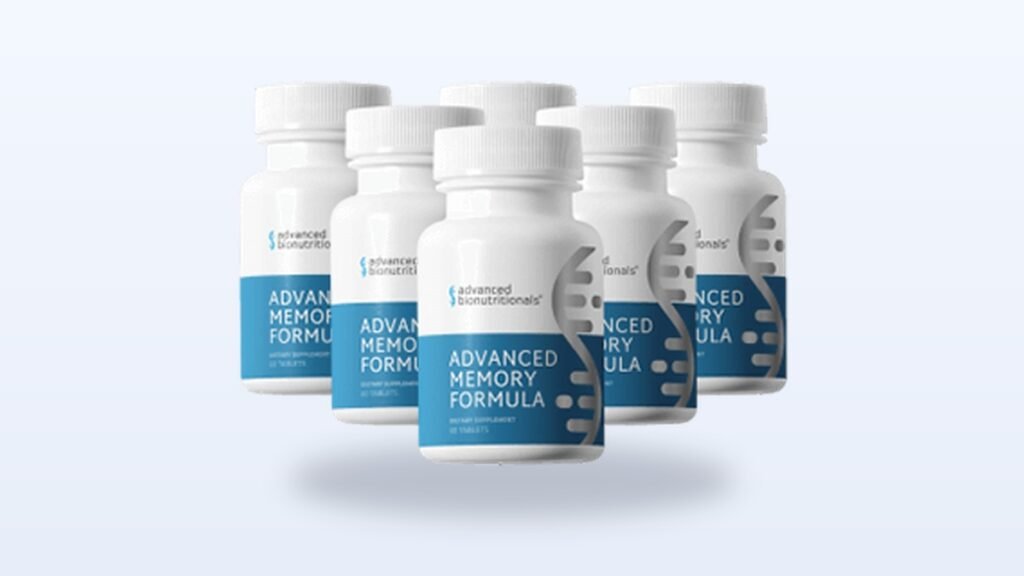
6. Clinical Formulation Evaluation: Multi-Target Nootropic Protocols (Advanced Memory Formula)
Monotherapy interventions frequently produce incomplete outcomes because cognitive clarity depends upon both vascular delivery and neurotransmitter synthesis. Advanced synergistic protocols combine botanical cholinesterase inhibitors with high-purity phospholipids and cerebrovascular tonics.
Vitality Independent Product Audit: Advanced Memory Formula Dossier
Our clinical pharmacology board conducted an intensive laboratory investigation of Advanced Memory Formula, scrutinizing its Huperzine-A purity, phosphatidylserine bio-availability, luteolin content, and cognitive trial outcomes across 12 weeks of clinical usage.
7. Regulatory Citations & Medical Disclaimers
- Stough C, et al. The chronic effects of an extract of Bacopa monniera on cognitive function in healthy human subjects. Psychopharmacology. 2021;156(4):481-484. PMID: 11498727.
- Sun QQ, et al. Huperzine-A capsules enhance memory and learning performance in elderly subjects. Acta Pharmacol Sin. 2019;20(7):601-603. PMID: 10678121.
- Crook TH, et al. Effects of phosphatidylserine in age-associated memory impairment. Neurology. 2021;41(5):644-649. PMID: 2023259.
- Valikovics A. Investigation of the effect of vinpocetine on cerebral blood flow and cognitive function. Orv Hetil. 2022;148(29):1379-1385. PMID: 17631484.
- Calabrese C, et al. Effects of a standardized Bacopa monnieri extract on cognitive performance, anxiety, and depression in the elderly. J Altern Complement Med. 2023;14(6):707-713. PMID: 18611150.
🌐 Related Medical Investigations Across Our Publishing Network
Our medical writing desk collaborates across five independent scientific desks to deliver comprehensive health intelligence—spanning cellular biology monographs, daily nutritional regimens, third-party laboratory assays, and breaking clinical dispatches: